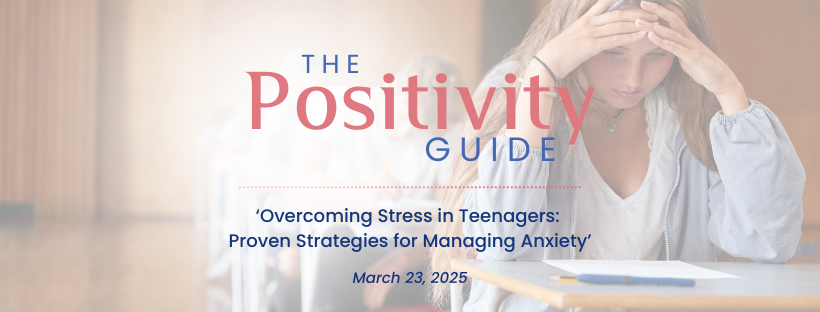
Navigating school can be overwhelming for teens, with academic responsibilities, extracurricular activities, and social pressures all vying for their attention. Understanding how to manage academic pressure effectively is crucial for maintaining mental well-being and achieving success. This blog explores practical teen stress management techniques to help students thrive under pressure.
Understanding the Stress of Modern High School Life
Today’s high school students face unprecedented stress levels driven by various academic, social, and personal pressures. According to a 2023 survey by the American Psychological Association, nearly 70% of high school students report feeling overwhelmed by their responsibilities. This intense pressure is a result of several factors:
Academic Demands: With an increasing emphasis on standardized testing and college admissions, students feel constant pressure to achieve high grades and excel academically. The National Center for Education Statistics (NCES) found that 54% of high school students feel significant pressure to perform well in school.
Extracurricular Activities: The expectation to participate in multiple extracurricular activities to build a competitive college application adds to student stress. A study published in the Journal of Adolescent Health revealed that students involved in numerous activities often experience higher stress levels due to overcommitment.
Social Media Influence: The pervasive presence of social media exacerbates stress, with students frequently comparing themselves to their peers and experiencing online bullying. Research from the Pew Research Center shows that 45% of teens feel that social media negatively impacts their mental health.
Family and Social Expectations: Many students also face pressure from family expectations and social dynamics, which can further increase their stress levels. The Child Mind Institute highlights that balancing family expectations with personal goals adds a layer of emotional strain for many teens.
Given these factors, it’s no surprise that academic pressure has become a significant concern for today’s students. Understanding and addressing these sources of stress is crucial for helping students manage their well-being and succeed in their academic journey.
Common Sources of Academic Stress for Teens
Understanding the various sources of academic stress can help both students and their support networks develop effective strategies to manage it. Academic stress often stems from multiple overlapping factors that can create a challenging environment for teens. Here are some of the most common sources of stress that high school students face:
- High Expectations: Teens often feel immense pressure from parents and themselves to meet or exceed academic standards. Striving for perfection can lead to anxiety, fear of failure, and an overwhelming sense of inadequacy.
- Heavy Workload: Balancing homework, projects, and extracurricular activities can pile up quickly, leaving little time for relaxation. The sheer volume of work is a significant stressor.
- Standardized Testing: Preparing for exams like the SAT, ACT, or end-of-year tests adds another layer of pressure. The results are often seen as pivotal to future opportunities, amplifying anxiety.
- Time Management: Learning to balance academic responsibilities with hobbies, social life, and self-care can be a struggle. Procrastination and poor time management often increase stress when deadlines loom closer.
- Peer Pressure: Comparing themselves to their peers, whether in terms of grades or social status, can create feelings of inadequacy and pressure to meet certain standards.
By identifying these common sources of stress, students and their families can better understand the challenges teens face and work together to find practical solutions.
Practical Techniques for Managing Academic Pressure
Having explored the common sources of academic stress, it’s essential to focus on practical strategies that can help students manage and alleviate this pressure. While the challenges may seem daunting, there are effective techniques that students can adopt to better handle their academic responsibilities and maintain their well-being.
1. Time Management for Students
One of the most impactful teen stress management techniques is mastering time management. Creating a structured schedule helps students balance their workload and reduce overwhelming feelings. Tips include:
- Use a planner or digital calendar: Schedule study sessions, extracurricular activities, and personal time.
- Break tasks into smaller steps: Manage assignments by dividing them into manageable parts and setting deadlines for each.
- Prioritize tasks: Focus on completing high-priority tasks first to stay on track.
2. Mindfulness for Teens
Incorporating mindfulness practices into daily routines can significantly reduce academic pressure. Mindfulness helps teens stay present and manage stress more effectively. Techniques include:
- Daily mindfulness exercises: Encourage deep breathing, meditation, or mindful walking.
- Short mindfulness breaks: Even a few minutes can help alleviate stress and improve focus.
Maintaining self-care is essential for managing academic pressure. Ensuring that teens care for their physical and emotional needs can prevent burnout. Effective self-care practices include:
- Regular exercise: Engage in physical activities that promote relaxation and well-being.
- Healthy eating habits: Fueling the body with nutritious foods supports overall health and energy levels.
- Adequate sleep: Prioritize sleep to improve cognitive function and mood.
By implementing these practical techniques, students can better manage academic pressure and create a more balanced approach to their school life. Each strategy plays a role in alleviating stress and enhancing overall well-being, helping students to thrive academically and personally.
Final Thoughts on Managing Academic Pressure
Managing academic pressure is crucial for student success and well-being. By understanding common stressors and applying practical techniques like effective time management, mindfulness, and self-care, students can better navigate their academic challenges.
Implementing these strategies helps reduce stress, enhance focus, and maintain a balanced lifestyle. Encourage students to regularly use these tools and seek support when needed to turn academic pressure into an opportunity for growth.
For ongoing support and resources, consider reaching out to Positive Presence Global for life coaching support to help build resilience and success in your academic journey.