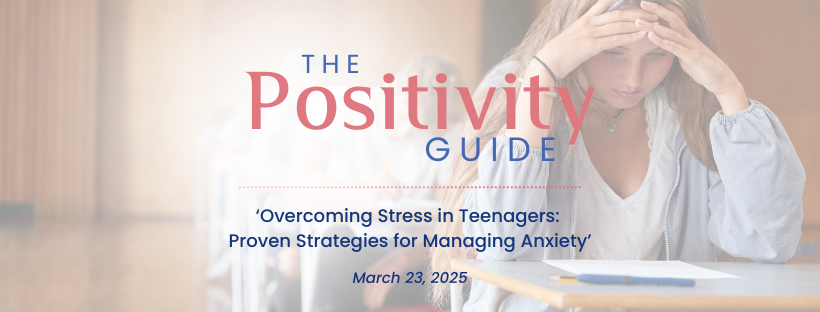
As the school year progresses, many young people face heightened stress from academic demands, social pressures, and personal challenges. For parents and guardians, this checklist provides practical ways to support their teens’ mental well-being and help them thrive in school and beyond.
1. Monitor Changes in Behavior
- Watch for signs of emotional or behavioral shifts, such as mood swings, sleep issues, or withdrawal from activities. According to the National Alliance on Mental Illness (NAMI), early signs of anxiety or depression may include persistent sadness, extreme irritability, or noticeable changes in sleep patterns.
- A rise in mental health challenges among teens, including anxiety and depression, has been noted in recent years. Early intervention can make a difference.
Pro Tip: Have regular check-ins—ask open-ended questions like “How’s everything feeling lately?” to encourage honest conversation.
2. Help Create a Balanced Routine
- Encourage a mix of schoolwork, physical activity, and downtime to reduce burnout. Academic pressure is one of the top stressors among students, and balancing schedules can alleviate some of that stress.
- Ensure your teen has time for hobbies and interests outside of school.
Pro Tip: Use shared calendars or to-do lists to promote time management and set boundaries around study hours.
3. Promote Healthy Social Interactions
- Peer relationships are critical, but conflicts and social comparison through social media can take a toll on mental health. A report by the Pew Research Center highlights how social media use among teens has both benefits and drawbacks, such as connection with peers and increased exposure to comparison-driven stress. Be mindful of your teen’s online habits and talk about how to manage digital stress.
- Research shows that students benefit from nurturing relationships with supportive adults who actively listen to their concerns.
4. Foster Open Conversations about Mental Health
- Normalize discussions around mental health to reduce stigma. Teens often hesitate to seek help because of fears of judgment or being seen as weak.
- Highlight that mental health is part of overall well-being, just like physical health.
Action: Share your own experiences with stress and coping to show vulnerability and foster trust.
5. Encourage Problem-Solving Skills and Resilience
- Help your teen develop resilience by focusing on problem-solving strategies rather than perfectionism. Small, manageable challenges build coping skills and confidence over time.
- Studies show that engaging in problem-solving improves mental health, but teens may also need adult guidance to apply these skills effectively, according to the National institute of Health (NIH).
6. Provide Access to Resources
- Make sure your teen knows where to go for support—whether it’s school counselors, mental health professionals, or online resources like Positive Presence Global.
- Many teens struggle to find or ask for help, and having resources readily available increases the likelihood they’ll reach out when needed.
7. Prioritize Self-Care (For You and Your Teen)
- As a caregiver, model self-care by taking time for yourself. When parents manage their stress, it sets a positive example for their children.
- Encourage your teen to practice mindfulness techniques like deep breathing or journaling to stay grounded during overwhelming times.
Conclusion
By following this checklist, parents and guardians can play a proactive role in supporting their teen’s mental health throughout the school year. Building routines, encouraging open conversations, and modeling healthy behaviors create an environment where young people can flourish emotionally and academically.
Bonus: Print this checklist and stick it on your fridge or family calendar as a reminder to check in regularly with your teen.